Do you require help or further information?
Contact us! We are happy to advise you:
fzexalabs.com
+91 9810506498
- Methods of Food Testing
- Which foods require special attention?
- Feed Testing (Animal Feed)
- Analysis of Novel Food
- Water Testing
- Analyses on Genetic Engineering
- Food testing for flavor enhancers, colorants and additives (EXXX)
- Nutritional Analysis
- Tentamus Service
- Laboratories for Food & Feed Analysis
Which methods are used for food testing?
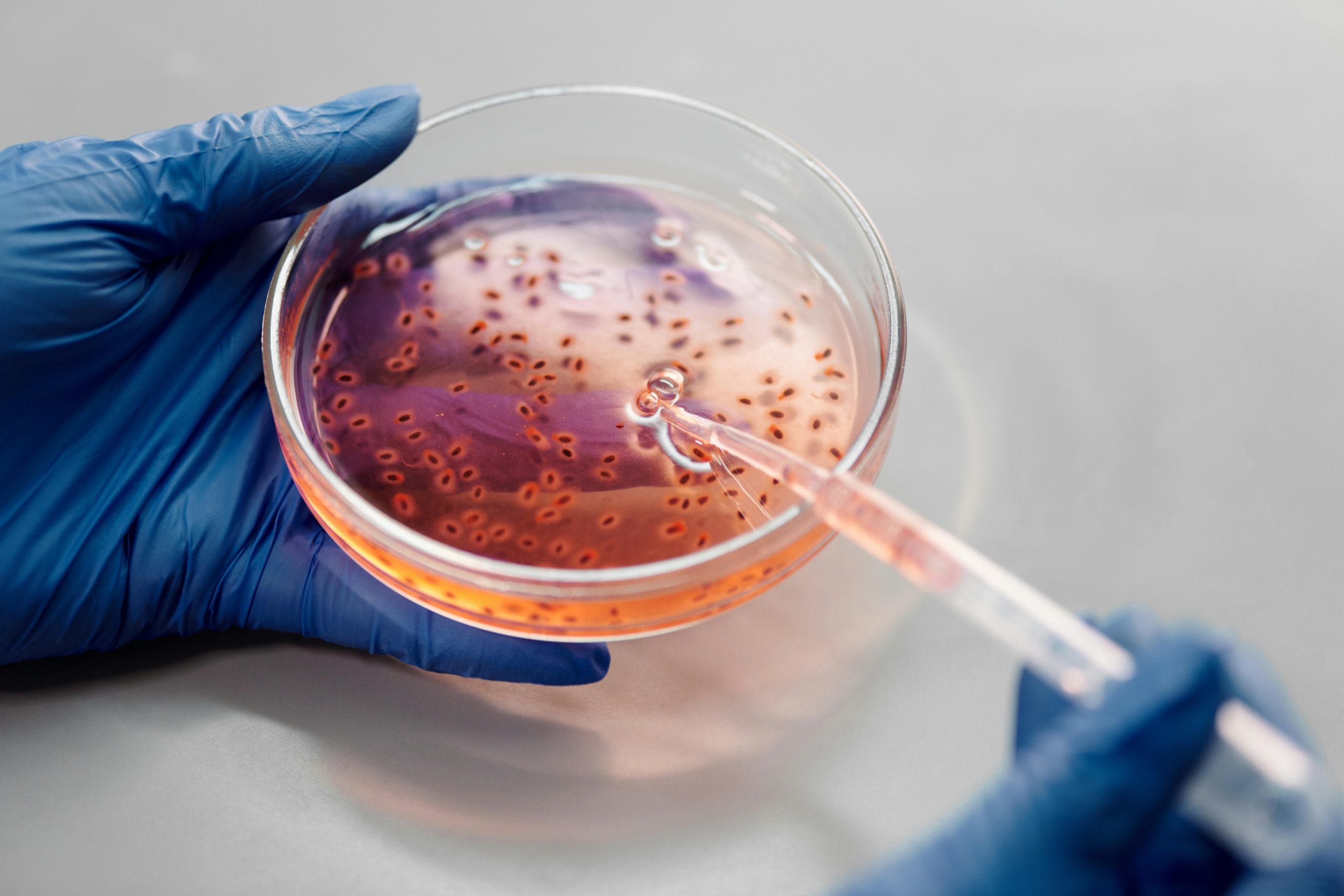
Microbiological Analysis
Chemical Analyses
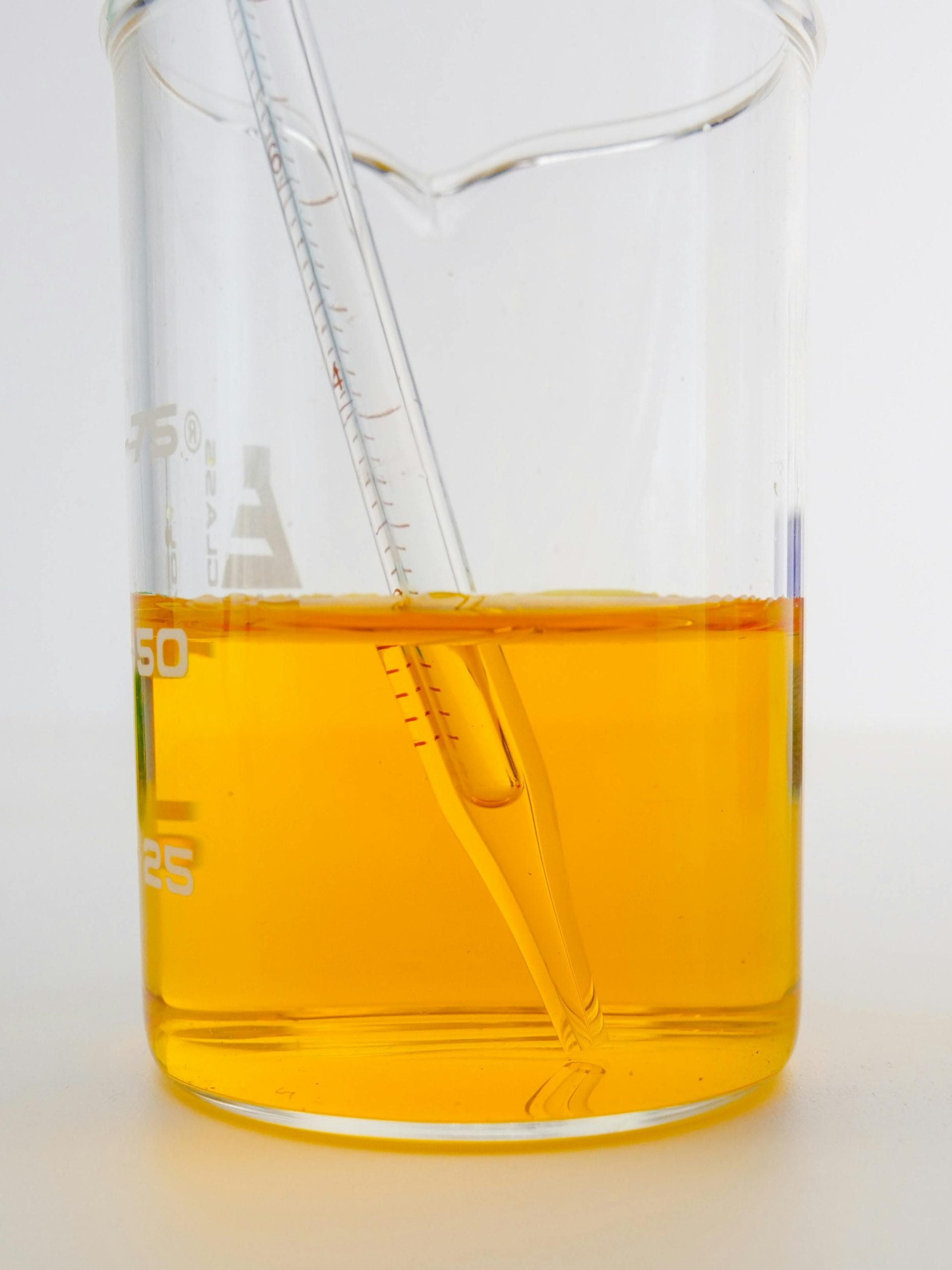

Sensory Testing
Verification of Origin

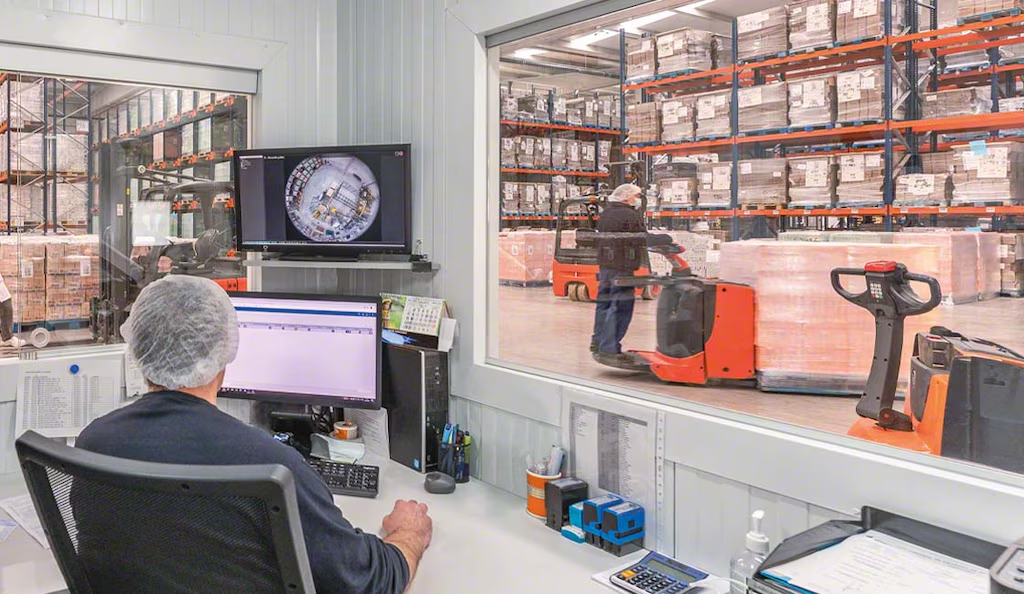
Contamination of Food
- Heavy metals
- PCBs and other
- Mycotoxins
- Acrylamide in coffee, processed potato products and cereal products
- Determination of process-related contamination of 3-MCPD fatty acid esters
Residue Analysis


Which foods require special attention?
Food testing of meat
The range of products in the meat industry is diverse. But no matter what form your product takes, we offer testing of all categories of meat products. Starting with raw materials and extending to dry products, chilled products, frozen or convenience goods, we ensure food safety standards are met.
Testing of processed food
With regard to the safety and quality of processed foods, appropriate refrigeration is essential for some products. Perishable foods in particular, such as meat and meat products or fish, are susceptible to the growth of undesirable microorganisms if not adequately refrigerated. Therefore, food manufacturers must carry out scheduled microbiological tests on these products to detect pathogenic contaminants such as listeria, campylobacter or salmonella. This also involves testing the accuracy of best-before dates (BBDs) by carrying out corresponding shelf-life tests.
Correct and consistent refrigeration of food also plays an important role in online retailing.
Food testing of oil
Sensory analysis of edible oil
Sensory analysis is one of the cornerstones in the evaluation of edible fats and oils. On the basis of odor and taste, conclusions can be drawn about the biological origin. Impressions such as rancidity provide initial indications of product quality and shelf life.
How is the authenticity of an edible oil determined?
The examination of the authenticity of edible fats and oils is carried out by gas chromatography, whereby the concentrations of the fatty acid content are determined. Their composition is characteristic of the individual fats/oils, so that any admixtures/extensions can be detected by deviations. This qualitative analysis is also used to determine omega-3 and omega-6 fatty acids, which are important for a balanced diet. The composition of sterols, as well as tocopherols and tocotrienols can be determined as well, using gas chromatography and HPLC. These can provide further information on authenticity. The content of vitamin E is also a relevant factor in determining authenticity.
Food testing of vegetables and fruit
To meet consumer and retailer expectations, as well as regulatory requirements, farmers employ a number of control measures. These quality controls are designed to ensure that products are free of defects, filth, insects, and mold.
With our extensive network of contract laboratories in Europe, North America, Asia and Israel, we offer the following laboratory analyses for fruits and vegetables:
- Pre-market Testing (6-12h)
- Advice on regulatory framework (MRLs, local updates)
- Pesticide analysis for GLP/GMP studies (Ph. Eur. / USP) & registration purposes by GC, GC-MS, GC-MS/MS and LC-MS/MS
- Analysis of polar pesticides (e.g. glyphosate, chlorate, perchlorate, TMS, phosphonic acid, ethephon, chlormequat)
- Analysis for nitrate by HPLC
- Method development & validation under GMP/GLP guidelines
- Evaluation of results according to European specifications for retail
Correct and consistent refrigeration of food also plays an important role in online retailing. Learn more about Food E-commerce with a safe cold chain according to DIN SPEC 91360.
Find out more about food analysis at Tentamus
We place particular focus on:
- Fruits and Vegetables
- Meat and sausage products
- Fish and sea food
- Herbs and Spices
- Eggs
- Honey
- Hemp products
- Baby food
- Baked goods
- Nuts
- Dried fruits
- Oils and fats
- Coffee
- Tea
- Cocoa
- Dietary supplements
Feed Testing (Animal Feed)
Animal feed is also part of the food chain and contributes to the food safety of the final products. This includes all animals kept by humans (farm animals as well as pets or even animals in zoos). Appropriate feeds are tailored to the specific animal species.
To ensure the safety of humans and animals, especially farm animals, feed and its manufacturing processes are also controlled and monitored in food testings. In this context, the nutrient composition is of particular importance to ensure the health, but also the performance of the animals. Depending on the animal species, various vitamins and minerals play an important role in animal feed.
In accordance with the requirements laid down in the Regulation, feed is analyzed in the laboratories for food and feed testing of the Tentamus Group.
- Verification of marketability
- Weender analysis as a standard procedure for determining the ingredients of feedstuffs
- Microbiological testing
- FEDIAF comparison (nutritional guideline for complete feeds for dogs and cats)
- Guaranteed Analysis (AAFCO)
- Microbiological testing
- Testing for pesticide levels, mycotoxins, and dioxins
- Examination for undesirable substances such as pesticides, mycotoxins, dioxins.
Analysis of Novel Food
Novel food products are foods or ingredients that were not “used to any significant degree” for human consumption in the EU before May 15, 1997. Accordingly, products marketed in the EU after that date are considered novel. Among other things, they are registered in the EU Novel Food Catalogue.
Tentamus food laboratories test Novel Food products for its marketability and correct labeling of the packaging.
Water Testing
In addition to “classic” water supply systems (e.g. municipal water suppliers), drinking water installations (domestic installations) in public facilities and in objects where drinking water is supplied for commercial purposes, as well as in food processing plants from which water is supplied for human consumption, and cooling tower water installations are also part of the ordinance and must therefore be inspected as part of self-monitoring.
Sampling and testing of water must be carried out by laboratories approved for this purpose.
The laboratories for water analysis of the Tentamus Group offer you the analysis of the complete spectrum of analyzable microorganisms and chemical parameters according to the Drinking Water Ordinance.

Analyses on Genetic Engineering (label “without genetic engineering (GMO)”)
The following product groups are eligible for testing:
- Grain and potato products
- Meat and sausage products
- Dairy products
- Eggs
- Beverages
Here you can find more information about Tentacontrol.
Flavor enhancers, colorants and additives (EXXX)
Additives are used in food for various reasons. For example, they protect against spoilage or ensure consistent stability and quality.
Food colorants are considered additives and are used to color food mainly for aesthetic reasons. The approval of colorants or additives is regulated in Regulation (EC) No. 1333/2008. According to this regulation, about 40 substances are currently approved. In the laboratories of the Tentamus Group, foodstuffs can be tested for the addition of colorants using HPLC methods.
Sweeteners in food can also be determined in our laboratories by means of HPLC.
Preservatives are used to increase the shelf life of food and feed. Qualitative and quantitative determination of preservatives in the food laboratories of Tentamus helps to comply with the legally regulated maximum values.
Nutritional Analysis
These include:
- Calorific value
- Total fat
- Saturated fatty acids
- Carbohydrates
- Sugar
- Protein
- Salt
Additionally, we offer the following nutritional analyses:
- Big 4, Big 7 and Big 8
- Fatty acid spectrum
- Dietary fiber
- Mineral and vitamin content
For the US the Nutrition Facts Panel (NFP) includes, but is not limited to, the following core nutritional values:
- Energy
- Total Fat
- Saturated Fat
- Trans Fat
- Cholesterol
- Sodium
- Total Carbohydrates
- Dietary Fiber
- Total Sugars (and added Sugars)
- Vitamin D
- Calcium
- Iron
- Potassium
Our team specializing in labeling can also assist you in creating proper nutritional tables. Learn more in the following section.
Tentamus Service
Labelling of Food and Feed Products
Positive results from food analyses alone do not qualify a product for marketability. For food manufacturers, compliance with labelling regulations also plays a key role. The labels on the food or feed are the first impression on the customer and contribute to the purchase decision. Therefore, it is even more important to provide all relevant information (in addition to legal requirements).
At Tentamus Group, an international team of experts supports your company in ensuring that the declaration on the packaging is correct and complies with the law. In addition, our team can also verify the correct presentation of your product in online retail.
An important and often critical aspect of food labelling are so-called “health claims”. Here, too, our team supports you in the correct use and can verify the statements of the health claims with the help of regular food testing.
Hygiene and Quality Assurance
With the help of our experienced and competent auditors and trainers, we support you in implementing a “Good Manufacturing Practice” (GMP) in your company and in preparing it for official inspections.
Overview of Laboratories for Food & Feed Analysis